Two trips to China: 15 observations
· 4 min read
I've been to China twice, about a year apart, and I also stopped by Hong Kong and Macao. I spent most of my time in Guangzhou.
Recently I watched a two-hour conversation between Alexander Sokolovsky and the sinologist Alexey Maslov, "Who will become the new China?" (it's in Russian). They cover AI, cars, work culture and education. I kept recognizing things I had seen myself. I'll leave politics to the experts. What I have is 15 observations from the street.
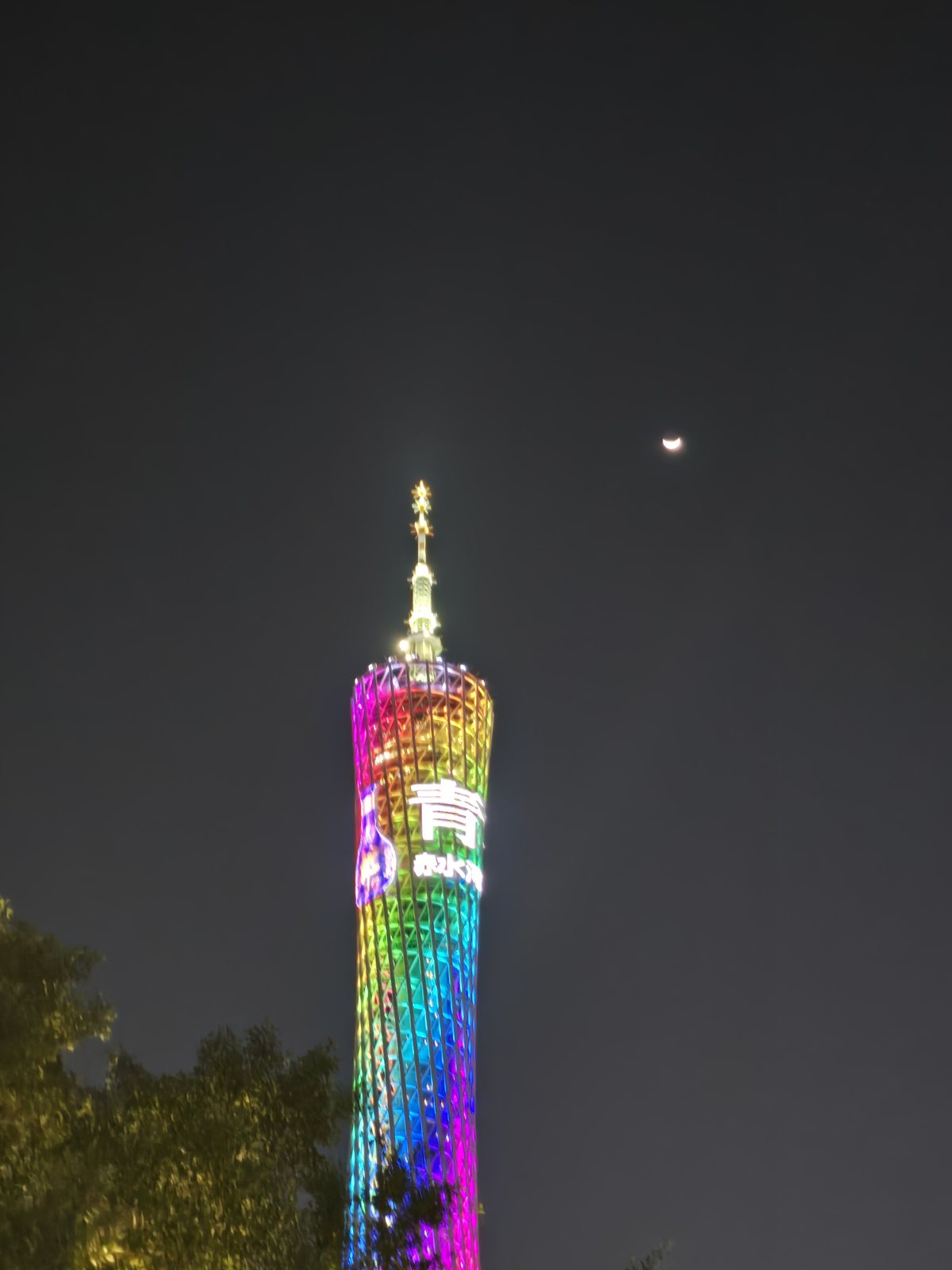
Knowledge you can touch
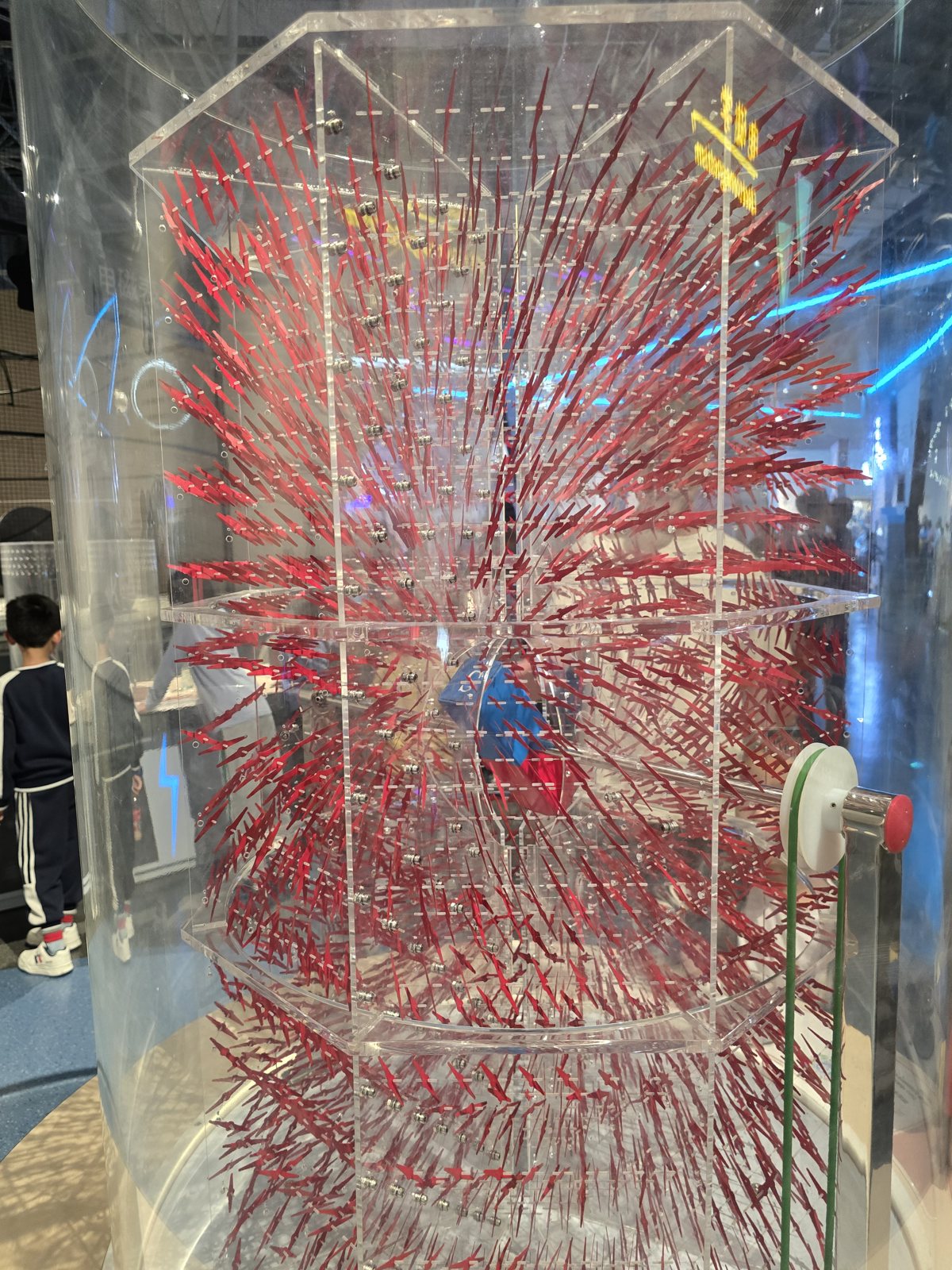
An insane hunger for knowledge. This is the first thing that hit me. People want to learn, and the whole environment is built around it.
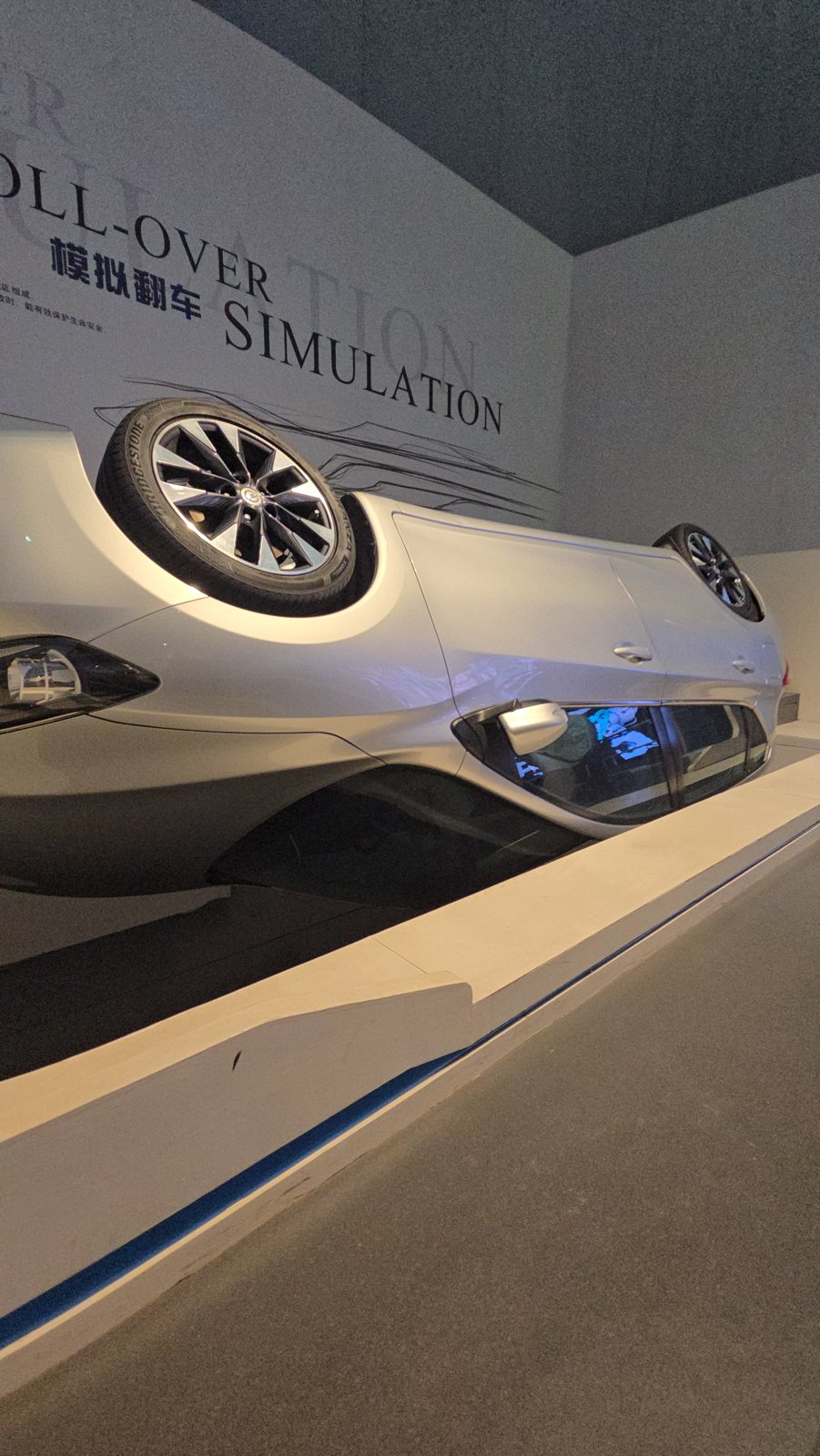
Everything has to be interactive and bright, especially shows, attractions and museums. A museum here isn't labels behind glass. At a car-safety exhibit there is a rollover simulator: you don't read about a crash, you watch what happens to the car.

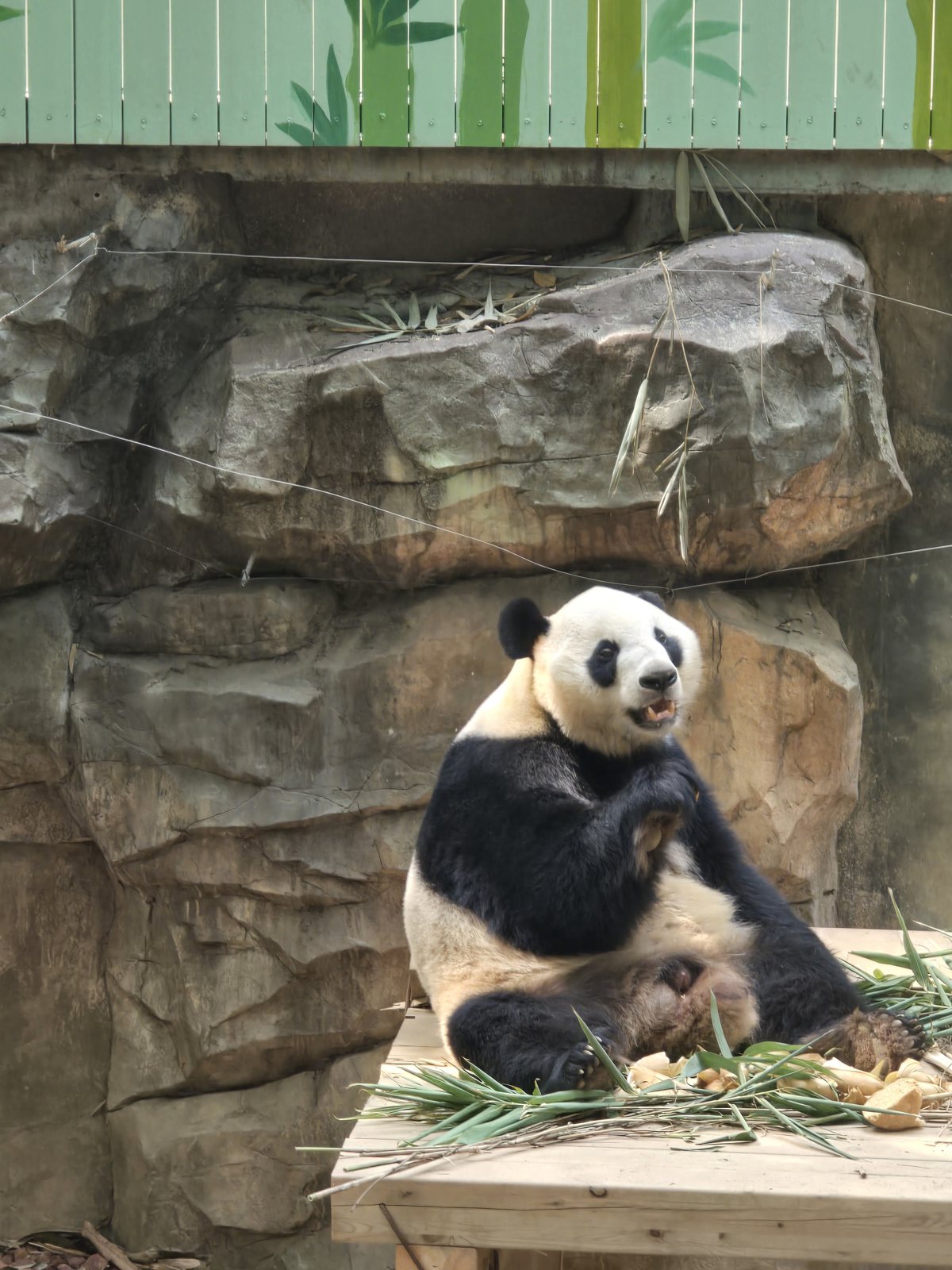
If it's a zoo, the animals must live very comfortably.
English. In the year between my trips, the number of people who speak English grew, or so it felt. Almost everywhere, you will be understood. Maslov's episode has a chapter called "AI has completely changed China's education system" (02:08:06), and my impressions line up with it.
The phone replaces everything
Every service lives in the smartphone.
Taxis are the fastest and the cheapest.
Almost no traffic jams. The city is huge and there are plenty of cars, yet the road between the towers was clear in the middle of the day.
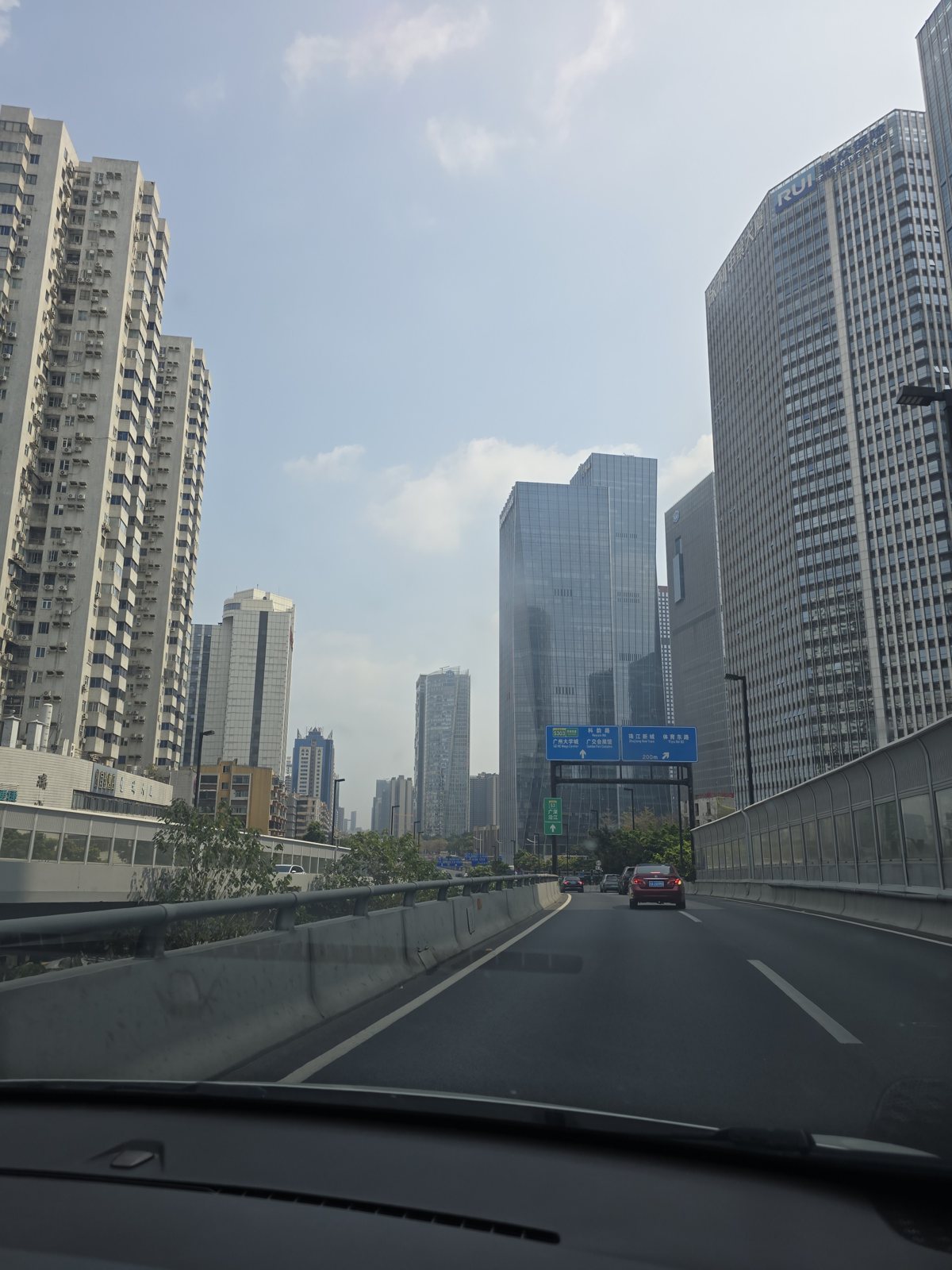
I build products, and for me this is the main lesson. Where I live, "mobile-first" is a slogan. There it is the environment. If a service isn't in the phone, it might as well not exist.
Cars
Hundreds and hundreds of brands. I saw many of them for the first time, and some look like they came from space. Showrooms sit right inside shopping malls.
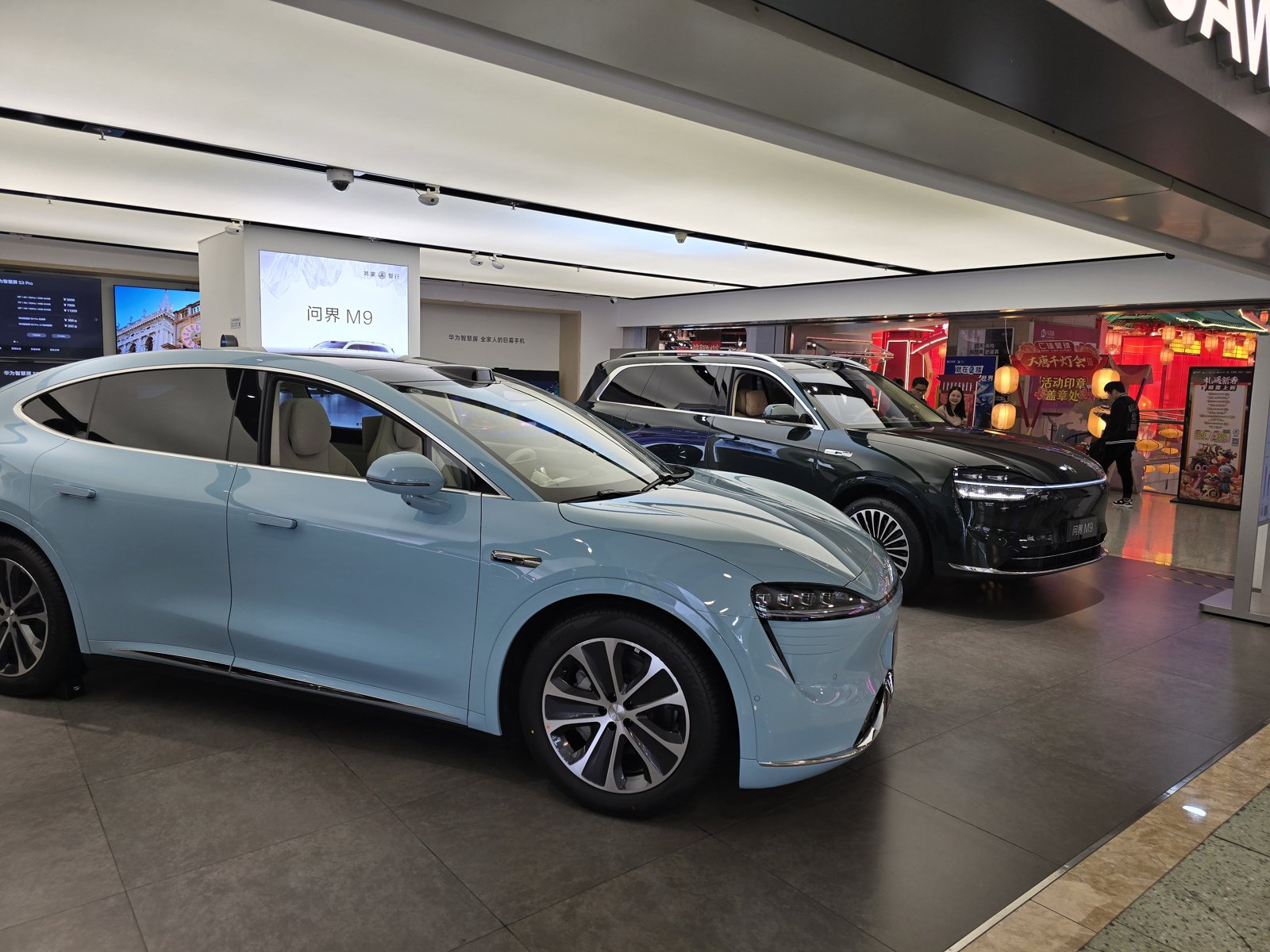
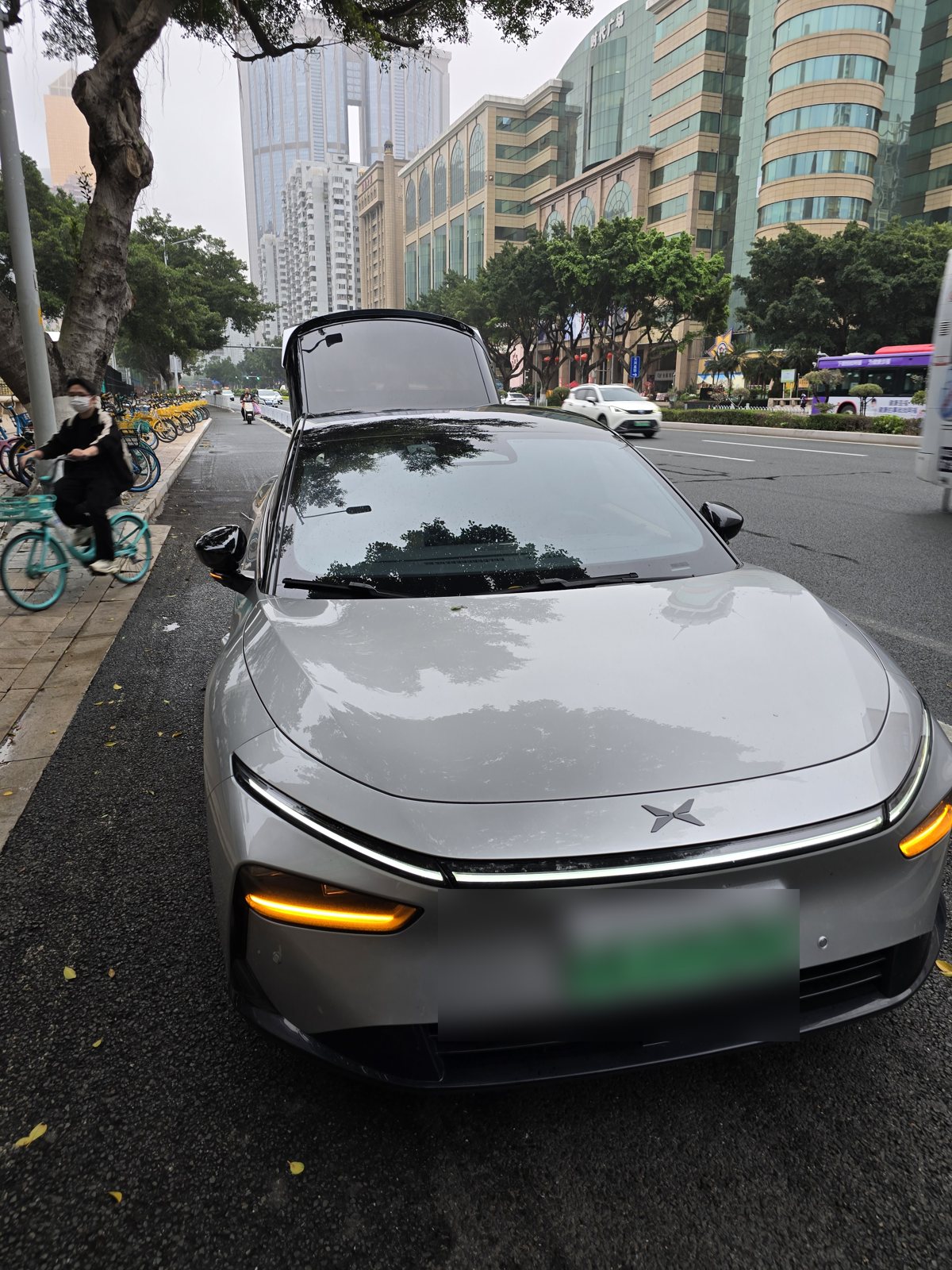
Maslov gives cars a separate chapter, starting at 20:59. Watch it, then walk out onto any street.
Skyscrapers and parks
Skyscrapers, skyscrapers.
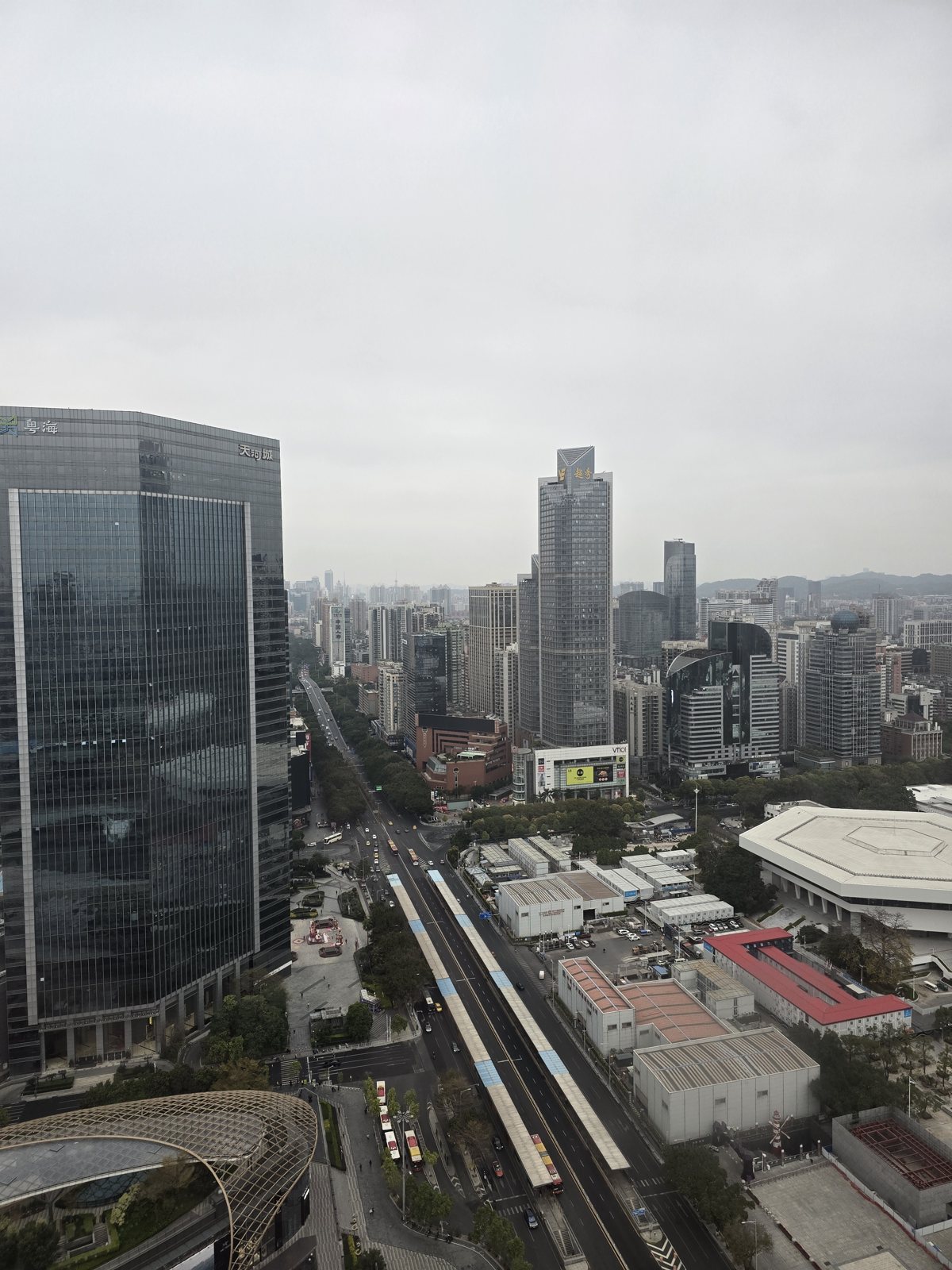
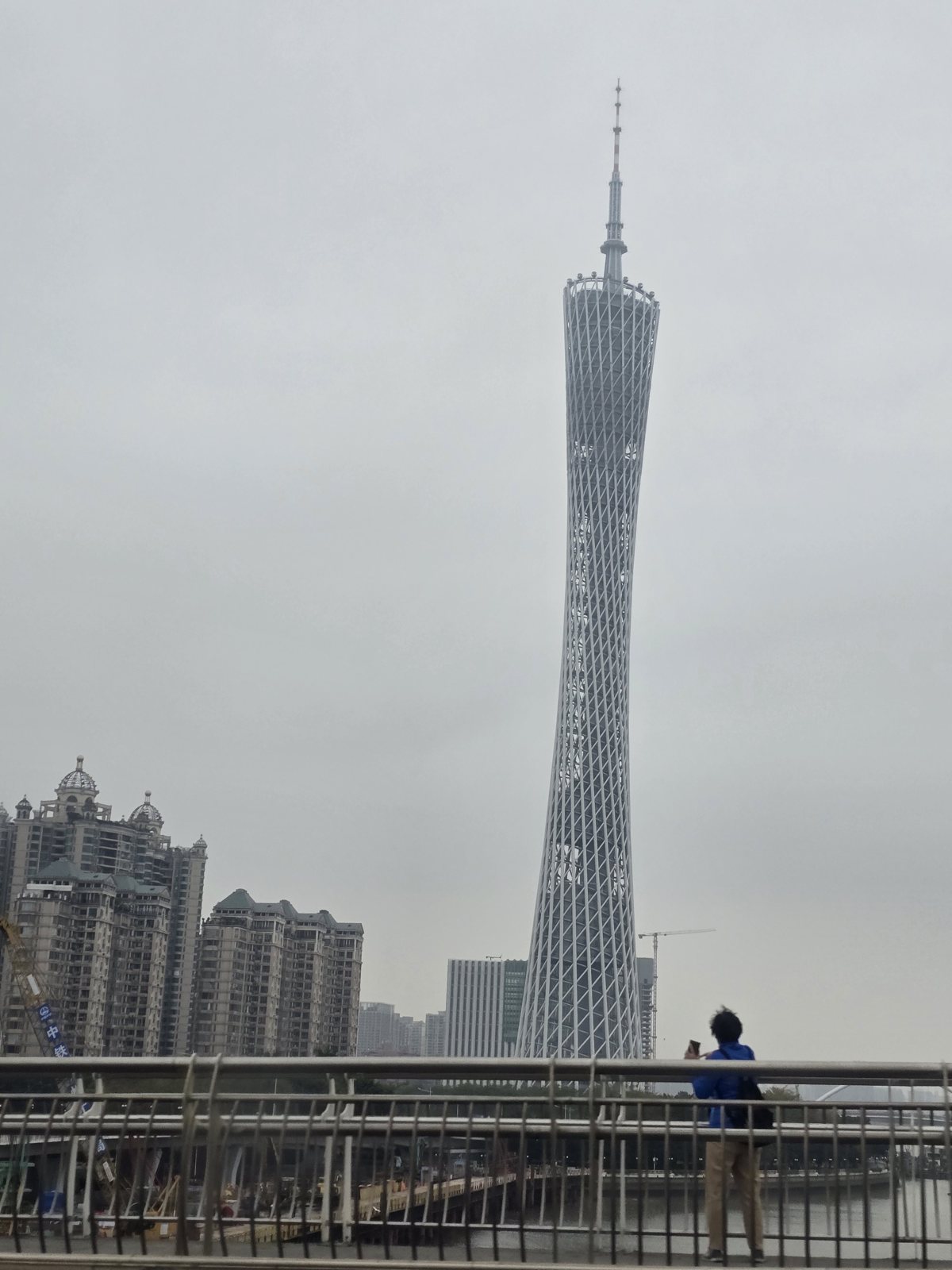
Very comfortable parks.
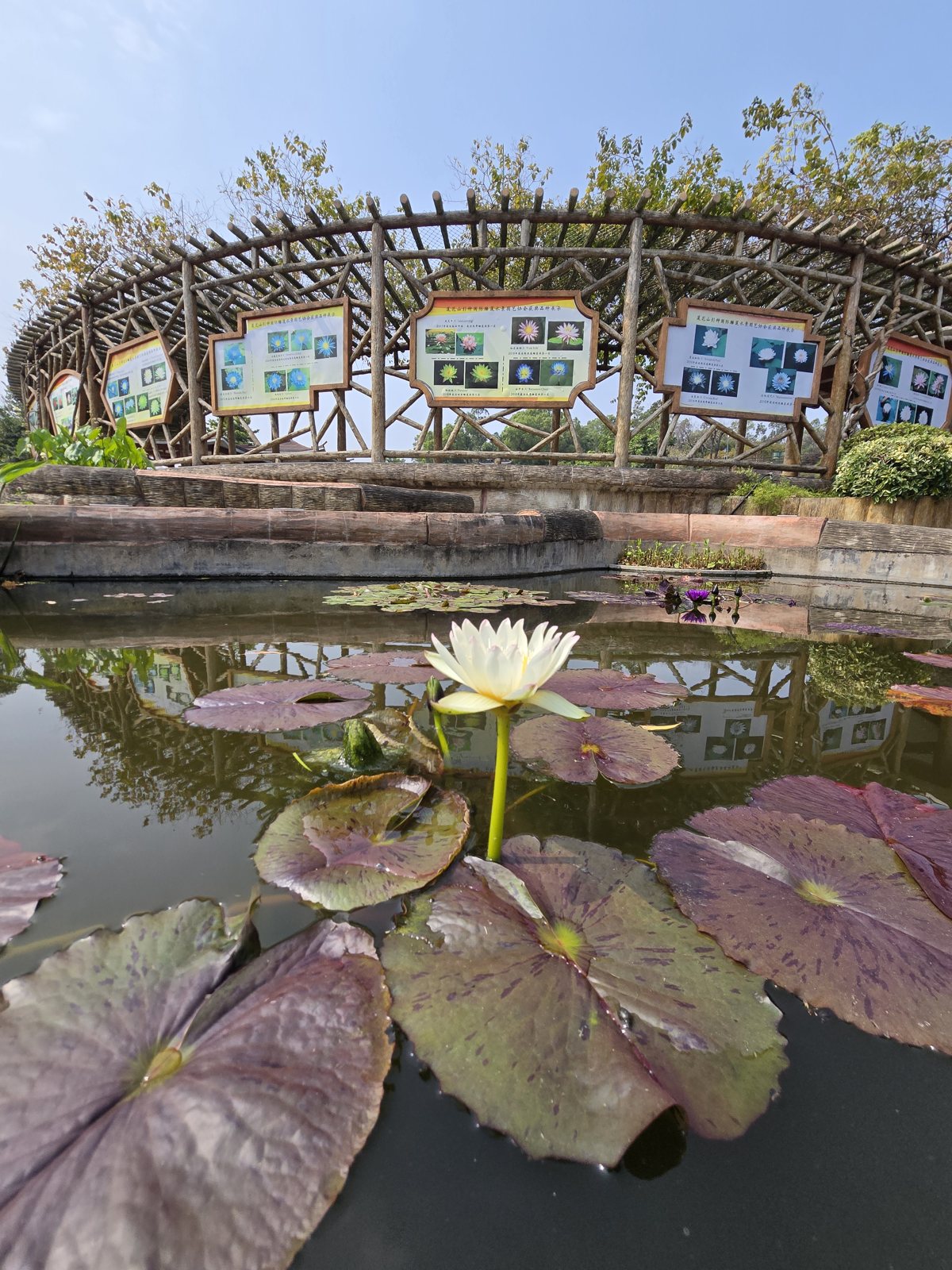
Downtown means crowds and crazy speed, but you can always slow down: go to a park or leave for the countryside.
Their own, and everyone else's
Careful treatment of culture.
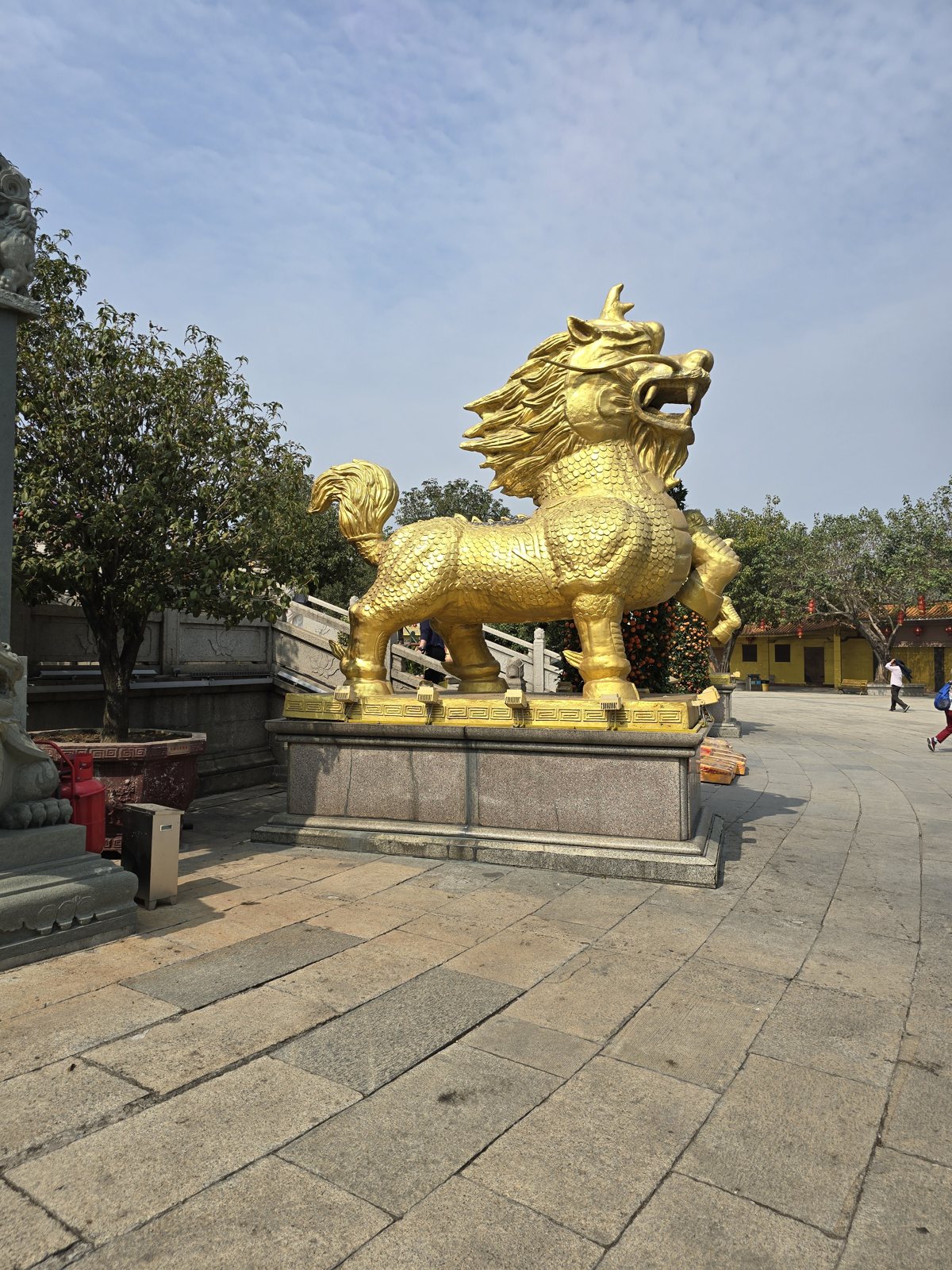
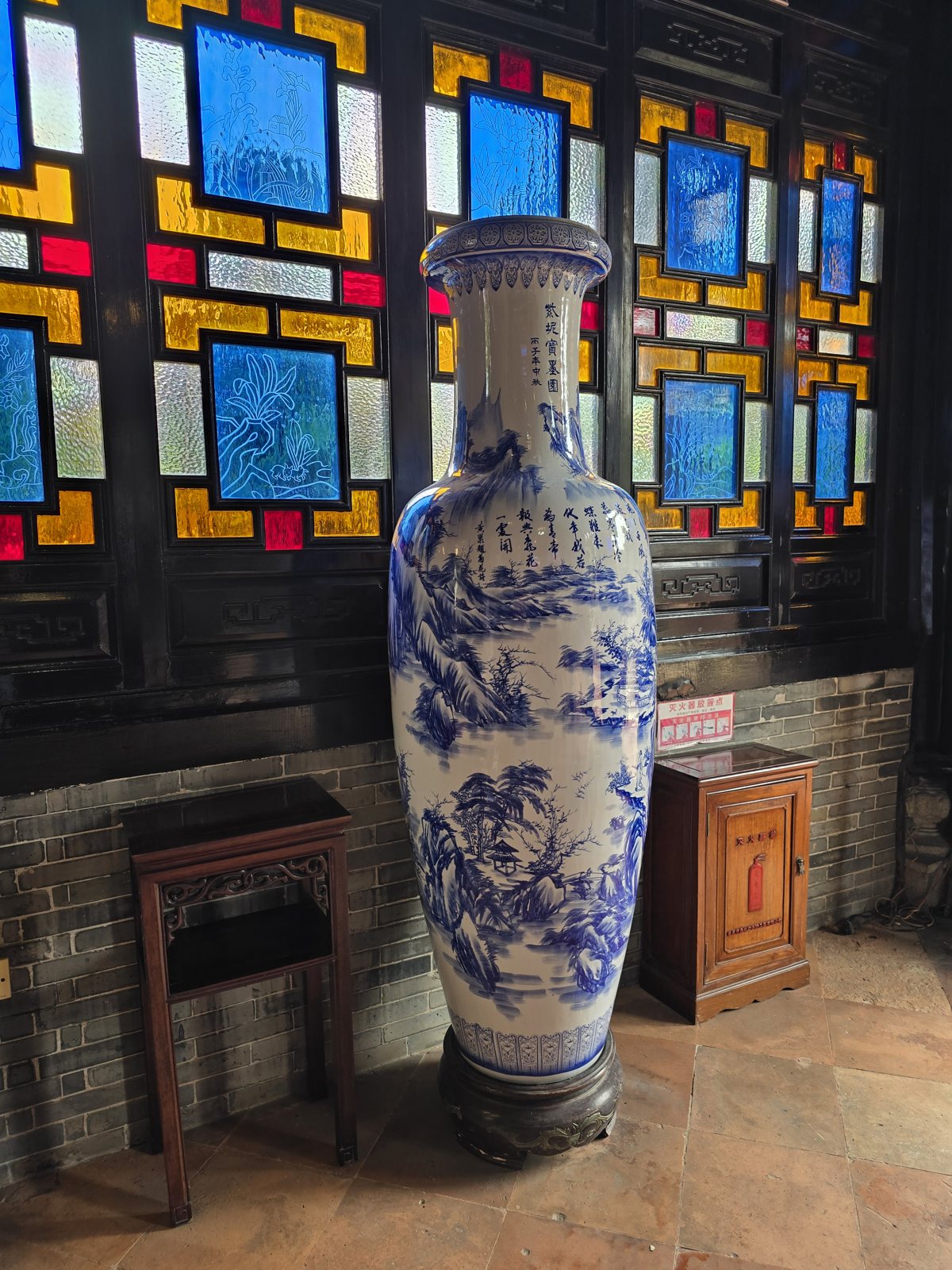
The episode has a chapter titled "China has always thought centuries ahead" (01:08:01).
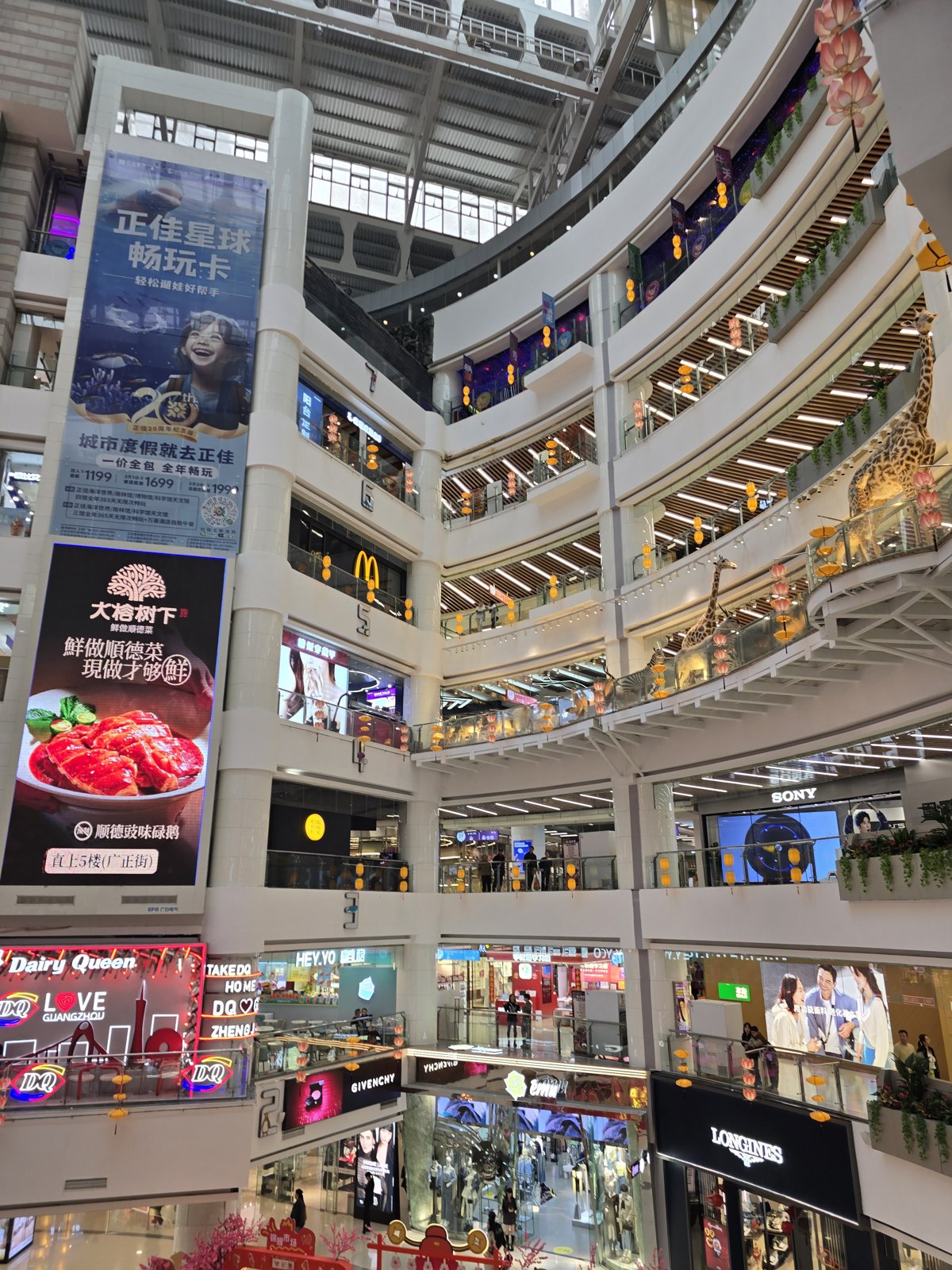
We are open to the world, bring your brands. One mall puts Givenchy, Sony, Longines and Dairy Queen side by side.
The food is an acquired taste, but you can always find European food.
The takeaway
You need to learn Chinese.
What I'm taking into my own products: knowledge should be interactive, the service should live in the phone, and a fast rhythm needs places where you can stop.
The conversation that started it all: Alexey Maslov with Alexander Sokolovsky, "Who will become the new China?" (in Russian)